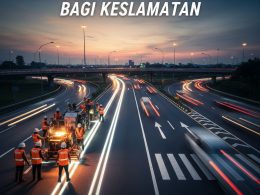
Infrastructure projects, from public roads to industrial facilities, demand careful planning. Selecting the right service for road markings is a critical decision. High-quality markings are paramount for safety, traffic flow, and aesthetic appeal. This guide will help you choose the best jasa marka jalan and pengecatan marka jalan.
Table of Contents
Understanding Jasa Marka Jalan and Pengecatan Marka Jalan Services
What do “jasa marka jalan” and “pengecatan marka jalan” truly mean? These professional services apply various markings on paved surfaces, including pavement marking. They are vital communication tools, guiding drivers, pedestrians, and machinery. Understanding their scope helps you choose the best jasa marka jalan and pengecatan marka jalan provider.
What Exactly Are Road Marking and Painting Services?
Professional road marking services apply specialized materials to surfaces. Their main purpose is regulating traffic, providing guidance, and enhancing safety. This includes lane dividers, crosswalks, and parking bay lines, often done through traffic line painting. Professional providers use specific equipment and techniques for clear, durable, and compliant road safety markings.
Different Types of Markings and Their Specific Applications
The world of road markings is diverse, each type serving a unique function. Knowing these variations helps articulate your needs for road marking services. Each application requires specific marking materials and techniques for optimal visibility and durability.
- Traffic Lines: These are common, including white and yellow lines for lane separation, edge lines, and centerlines. They guide traffic flow and indicate legal passing zones.
- Pedestrian Crossings: Zebra crossings and ladder crossings ensure safe passage for walkers, serving as crucial road safety markings.
- Symbols and Legends: Arrows for direction, “STOP” signs, “SLOW” warnings, and handicap symbols convey immediate information to road users.
- Parking Lot Markings: Bay lines, numbering, directional arrows, and reserved parking signs optimize space utilization and prevent congestion.
- Industrial Markings: In warehouses or factories, markings delineate walkways, forklift paths, storage zones, and safety areas. This improves operational efficiency and worker safety.
- Specialty Markings: This includes reflective markings for low-light conditions, anti-skid markings for hazardous areas, or colored markings for specific zones.
Each application requires specific materials and techniques to ensure optimal visibility and durability, making the expertise of your chosen provider critical.
Key Factors for Selecting a Reputable Road Marking Service Provider
Investing in quality road markings requires careful provider selection. Selecting a reputable service goes beyond just getting a quote; it’s about choosing a road marking contractor wisely. A thorough evaluation of credentials, experience, and reputation is essential. Focusing on these key factors significantly increases your chances of a successful project.
Verifying Proper Licensing, Certifications, and Insurance
A legitimate and professional road marking company always operates with necessary legal documentation. You must verify the following before committing to any service. This confirms their legitimacy and protects your investment from potential issues.
- Business License: Ensure the company is legally registered to operate in your region. This confirms their legitimacy as a business entity.
- Industry Certifications: Look for certifications related to road construction, safety standards, or specific material applications. These indicate a commitment to quality and adherence to industry best practices.
- Insurance Coverage: Confirm they carry comprehensive liability insurance. This protects you from potential damages or accidents during the project, including workers’ compensation for employees.
These documents are non-negotiable and indicate a trustworthy provider.
Assessing Experience Level and Reviewing Past Project Portfolios
Experience is invaluable in the road marking industry. A provider with a long track record likely resolves various challenges successfully. Ask potential service providers about their specific experience. A strong portfolio demonstrates their capability and commitment to quality.
- Years in Business: A company with several years of experience often signifies stability and expertise.
- Relevant Project Experience: Have they worked on projects similar in scale and complexity to yours? If you need parking lot markings, ask for examples. For public roads, inquire about their experience with high-traffic areas.
- Project Portfolio: Request to see their project portfolio. High-quality photos or site visits show their workmanship. Pay attention to clarity, straightness of lines, and overall finish.
A strong portfolio demonstrates their capability and commitment to quality.
Evaluating Customer Reviews, Testimonials, and Industry Reputation
Word-of-mouth and public perception offer crucial insights into a company. A company’s reputation builds on consistent performance and customer satisfaction. To gauge their standing, check online reviews and client testimonials. A strong, positive reputation is a reliable indicator of a service provider you can trust.
- Online Reviews: Check platforms like Google Reviews or local business directories. Look for consistent positive feedback regarding professionalism, quality of work, and adherence to timelines.
- Client Testimonials: Reputable companies often feature testimonials on their websites. While these are curated, they still offer a glimpse into client experiences.
- References: Don’t hesitate to ask for references from past clients. Speaking directly with someone provides invaluable, unbiased feedback. Ask about their communication, problem-solving skills, and overall satisfaction with their services.
A strong, positive reputation is a reliable indicator of a service provider you can trust.
Evaluating the Quality and Durability of Marka Jalan Work
Hiring a road marking service aims for clear, long-lasting markings. Quality and durability depend on materials, application techniques, and post-service support. Understanding these aspects helps you select a provider that offers true value and longevity. This ensures true value and longevity for your investment.
Understanding the Types of Materials Used for Road Markings
The choice of material significantly impacts marking performance and lifespan. Different materials suit various environments and traffic conditions. A knowledgeable provider will discuss these options, ensuring durable road markings for your project.
- Thermoplastic: Thermoplastic is a highly durable material, applied hot. It forms a strong bond with the road surface. It’s excellent for high-traffic areas due to its longevity and reflective properties, making it ideal for durable road markings.
- Cold Plastic (MMA): Cold Plastic (MMA) is a two-component system. It is known for extreme durability, chemical resistance, and fast curing. It’s often used where exceptional wear resistance is needed.
- Traffic Paint: Traffic paint is less durable than thermoplastic or cold plastic. However, it is cost-effective for lower-traffic areas or temporary markings. It comes in various formulations, including water-based and solvent-based.
- Preformed Thermoplastic: These are pre-cut shapes and symbols that are heat-applied. They offer precision and consistency, ideal for complex symbols or logos.
Inquire about the marking materials they recommend for your project. Consider factors like traffic volume, weather, and budget.
Importance of Application Techniques and Advanced Equipment
Even the best materials underperform if not applied correctly. The expertise of the application team and equipment quality are paramount.
- Surface Preparation: Proper cleaning and preparation of the road surface are critical for adhesion. This might involve sweeping, power washing, or shot blasting. It removes dirt, oil, and loose debris.
- Precision Application: Straight lines, consistent thickness, and accurate symbol placement require skilled operators. They also need calibrated machinery. Look for companies using modern, well-maintained equipment.
- Curing Conditions: Understanding optimal weather conditions for application (temperature, humidity) is vital for proper curing and adhesion of the marking material.
- Reflectivity: For night visibility, glass beads are often incorporated into the marking material or dropped onto the wet surface. The correct application rate of these beads is crucial for retroreflectivity.
A professional road marking service emphasizes rigorous application processes.
Checking for Warranty and Post-Service Support Guarantees
A confident provider stands behind their work. A warranty offers peace of mind and demonstrates quality commitment. Ask about their warranty and post-service support.
- Warranty Period: What is the duration of their warranty on materials and workmanship? A longer warranty period (e.g., 1-2 years) indicates confidence in their product and service.
- Coverage Details: What exactly does the warranty cover? Does it include premature fading, peeling, or cracking?
- Post-Service Support: What kind of support do they offer after the project is completed? Are they available for inspections, touch-ups, or advice on maintenance?
A clear warranty and readily available post-service support indicate a company prioritizing customer satisfaction. They also ensure the long-term quality of their services.
Navigating Pricing and Ensuring Value for Your Marka Jalan Project
Cost is a significant consideration for any project, including the cost of road marking. Focusing solely on the lowest price can lead to subpar results and higher long-term costs. Understand the pricing structure, ensure transparency, and compare bids effectively. This section guides you on choosing a service wisely.
Breaking Down the Cost Components of Road Marking Services
To accurately assess a quote, understand its cost components. Typical factors contribute to the overall cost of road marking.
- Material Costs: Material costs are often the largest component for marking materials. Different materials have varying price points. The quantity needed depends on total linear or square footage.
- Labor Costs: Labor costs cover wages for skilled technicians and operators. This includes surface preparation, application, and cleanup. Project complexity and duration influence labor hours.
- Equipment Usage: Specialized machinery like road strippers, thermoplastic applicators, and surface grinders come with operational and maintenance costs. These are factored into the service price.
- Surface Preparation: Extensive cleaning, grinding, or removal of old markings will add to the cost.
- Traffic Management: For public roads, setting up cones, barriers, and flaggers to ensure safety during application is a necessary cost.
- Mobilization/Demobilization: This covers the cost of transporting equipment and crew to and from the project site.
- Permits and Fees: Any necessary local permits for road work will be included.
A transparent quote will itemize these components, showing where your money is going.
Tips for Requesting Detailed and Transparent Quotations
To avoid hidden fees, always request detailed quotations. This ensures you’re comparing bids fairly.
- Itemized Breakdown: Insist on a quote that clearly lists material types and quantities. It should also include labor hours, equipment charges, and other associated costs.
- Scope of Work: The quote should explicitly state what is included in the service (e.g., surface preparation, number of coats, type of markings, cleanup).
- Payment Schedule: Understand the payment terms, including any upfront deposits, progress payments, and final payment conditions.
- Exclusions: Ask what is NOT included in the quote to prevent surprises later.
- Validity Period: Ensure the quote has a clear expiration date.
A professional road marking provider offers a comprehensive and clear quotation.
Strategies for Comparing Bids from Multiple Service Providers
Once you have multiple detailed quotes, use these strategies for effective comparison. This helps you select the best service for your project.
- Compare Like-for-Like: Ensure all bids are based on the same scope of work and specifications. If one quote uses standard paint and another uses thermoplastic, prices will differ significantly.
- Evaluate Value, Not Just Price: Evaluate value, not just price. A slightly higher bid might offer superior materials, a longer warranty, or more extensive experience. Consider long-term durability and maintenance costs, which impact the true cost of road marking.
- Check for Completeness: Does one quote seem significantly lower because it omits crucial steps like surface preparation or traffic management?
- Clarify Ambiguities: If anything in a quote is unclear, contact the provider for clarification before making a decision.
By carefully comparing bids, you can confidently select a service. This ensures the best balance of quality, service, and cost-effectiveness.
Ensuring Compliance with Local Regulations and Safety Standards
Legality and safety are paramount for your road safety markings. Any project must adhere to local regulations and safety standards. Non-compliance leads to fines, delays, and safety hazards. Understanding these requirements helps you choose a provider who operates responsibly and legally.
Adherence to Regional Traffic and Construction Regulations
Road markings are not arbitrary; they follow specific guidelines. These are set by local government bodies and traffic authorities. Failing to comply can lead to fines and safety hazards.
- Marking Dimensions: Specific widths for lines, sizes for symbols, and spacing between markings.
- Color Codes: Standardized colors for different functions (e.g., white for lane dividers, yellow for no-passing zones).
- Material Specifications: Requirements for the type and quality of marking materials used, including reflectivity standards.
- Permitting: The necessity of obtaining specific permits before commencing work, especially on public roads.
- Accessibility Standards: Compliance with regulations for handicap parking spaces, ramps, and pedestrian crossings.
A reputable provider knows all relevant local road marking regulations. They ensure their work meets or exceeds these road marking regulations. Always ask how they ensure compliance with road marking regulations.
Safety Protocols and Measures During the Application Process
Applying road markings often involves active traffic areas. This inherently carries risks. A responsible provider prioritizes safety for crew, road users, and pedestrians.
- Traffic Management Plans: Implementing clear plans for diverting or controlling traffic around the work area using cones, barricades, signage, and flaggers.
- Personal Protective Equipment (PPE): Ensuring all crew members wear appropriate PPE, such as high-visibility vests, hard hats, safety glasses, and respirators.
- Equipment Safety: Regular maintenance and inspection of all machinery to prevent malfunctions.
- Material Handling: Proper storage and handling of marking materials, some of which can be hazardous.
- Emergency Procedures: Having clear protocols in place for responding to accidents or emergencies.
Discuss the safety measures they implement during the project. A commitment to safety reflects a professional and responsible operation.
Considering Environmental Impact and Sustainable Practices
Environmental responsibility is increasingly important today. A forward-thinking provider considers their operations’ environmental impact. This might include eco-friendly materials and proper waste management.
- Eco-Friendly Materials: Offering water-based paints or other low-VOC (Volatile Organic Compound) materials where appropriate.
- Waste Management: Proper disposal of waste materials, empty containers, and old markings.
- Energy Efficiency: Using equipment that is more fuel-efficient or exploring alternative energy sources.
Choosing a provider with sustainable practices aligns with your values. It also contributes to a greener future. Prioritizing compliance and safety ensures an effective and responsible road marking project.
Common Mistakes to Avoid When Hiring Marka Jalan Experts
Mistakes are easy to make when hiring specialized services. Avoiding common pitfalls saves time, money, and frustration. Knowing what not to do is crucial for critical infrastructure like road markings. This is especially true when choosing a road marking contractor.
The Pitfalls of Prioritizing Price Over Proven Quality
Prioritizing the lowest bid is a common mistake. While budget is important, a significantly lower price often sacrifices quality. This can manifest in several ways, leading to higher long-term costs.
- Inferior Materials: Cheaper marking materials may fade faster, peel, or wear out quickly, requiring premature re-application.
- Substandard Workmanship: Less experienced or less meticulous crews might produce crooked lines, inconsistent thickness, or poor surface preparation, leading to early failure.
- Lack of Warranty: A low-cost provider might not offer a comprehensive warranty, leaving you responsible for fixing issues shortly after completion.
- Hidden Costs: The initial low bid might not include essential services. These include proper surface cleaning or traffic management. This leads to unexpected charges later.
Ultimately, a cheap initial cost can result in higher long-term expenses. This is due to frequent repairs or complete re-dos. Invest in quality to ensure durability and safety with durable road markings.
Neglecting to Thoroughly Check References and Past Work
Skipping due diligence on a provider’s background is a critical error. A company’s actual work speaks volumes, despite impressive claims. Failing to verify can lead to disappointment.
- Unverified Claims: Without checking references or a portfolio, you’re relying solely on the company’s self-promotion, which may not accurately reflect their capabilities.
- Inconsistent Quality: A company might have one or two good projects but a history of inconsistent results. References can reveal this pattern.
- Poor Communication: Past clients can provide insights into a company’s communication style, responsiveness, and problem-solving abilities, which are crucial for a smooth project.
Always review their portfolio and speak to previous clients. This provides unbiased feedback on their services.
Skipping Formal Contracts and Clear Service Agreements
Operating on verbal agreements is a recipe for misunderstandings. A formal contract protects both parties and ensures clarity. This avoids disputes.
- Undefined Scope: Without a clear contract, the exact scope of work, marking materials to be used, and project timeline can become ambiguous.
- Payment Disputes: Ambiguous payment terms can lead to disagreements over invoices, progress payments, or final costs.
- Lack of Accountability: If issues arise (e.g., poor quality, delays), a lack of a formal agreement makes it difficult to hold the provider accountable or seek recourse.
- No Warranty Protection: A contract should clearly outline any warranties or guarantees, protecting your investment.
Always insist on a detailed, written contract. It should outline all aspects of the project. This includes scope, materials, timeline, costs, payment terms, and warranty information. This ensures both parties are on the same page and provides a legal framework.
Maintaining Your Road Markings for Long-Term Effectiveness and Safety
Your project isn’t over after completion. Proper maintenance maximizes lifespan, effectiveness, and safety of pavement marking. Markings are subject to wear from traffic, weather, and environmental factors. Caring for them ensures your investment pays off, maintaining vital road safety markings.
Best Practices for Regular Inspection and Cleaning
Proactive maintenance begins with regular inspection and cleaning. These steps significantly extend marking life and visibility.
- Routine Visual Inspections: Routinely inspect marked areas for wear, fading, cracking, or peeling. Pay close attention to high-traffic zones and harsh weather areas. Document any issues with photos and notes.
- Scheduled Cleaning: Dirt, debris, oil, and rubber buildup can obscure markings, reducing their visibility and reflectivity. Implement a cleaning schedule using appropriate methods:
- Sweeping: For loose debris and dirt.
- Power Washing: For stubborn grime, oil stains, or tire marks. Use appropriate pressure to avoid damaging the marking material.
- Chemical Cleaners: For specific stains like oil or grease, use cleaners recommended for road marking materials to avoid degradation.
- Vegetation Control: Ensure that grass, weeds, or other vegetation do not grow over or obscure the markings, especially along edges.
Regular inspection allows early problem detection, preventing costly repairs.
Determining the Optimal Schedule for Timely Re-application
Even with maintenance, road markings eventually need re-application. The timing depends on several factors.
- Material Type: Thermoplastic and cold plastic markings generally last longer (3-5+ years) than traffic paint (1-2 years).
- Traffic Volume: High-traffic areas will experience faster wear and require more frequent re-application.
- Environmental Exposure: Areas with extreme weather conditions (heavy rain, snow, intense sun) or exposure to chemicals (e.g., de-icing salts) will degrade faster.
- Regulatory Requirements: Some public roads may have specific re-application schedules mandated by local authorities to maintain road marking regulations.
- Visibility Standards: When markings become noticeably faded, chipped, or less reflective, they are no longer effectively serving their purpose and should be re-applied.
Consult your service provider for re-application schedules. This ensures continuous safety and effectiveness, protecting your investment.
Key Takeaways & Next Steps
Choosing the right jasa marka jalan and pengecatan marka jalan service is a critical decision. It impacts safety, efficiency, and infrastructure longevity. Focus on provider experience, material quality, application techniques, regulation adherence, and transparent pricing. This ensures an informed choice that delivers lasting value.
Key Takeaways:
- Due Diligence is Essential: Always verify licenses, insurance, and review past projects and customer feedback.
- Quality Over Price: Prioritize durable marking materials and expert application to avoid costly re-dos.
- Transparency Matters: Insist on detailed, itemized quotes and clear contracts to prevent hidden costs and misunderstandings.
- Compliance and Safety: Ensure your chosen provider adheres to all local road marking regulations and implements strict safety protocols.
- Maintenance Extends Life: Regular inspection and timely re-application are crucial for long-term effectiveness.
Next Steps:
- Define Your Needs: Clearly outline the type of markings, surface area, and specific requirements for your project.
- Research Providers: Identify several reputable road marking services in your area.
- Request Detailed Quotes: Ask for comprehensive, itemized bids from your shortlisted providers.
- Evaluate and Compare: Assess quotes based on value, quality, experience, and compliance, not just the lowest price.
- Finalize with a Contract: Secure a formal, written agreement that covers all aspects of the project, including warranty.
Following these guidelines helps you select a professional road marking service. It meets your needs and ensures safety and functionality for years to come.