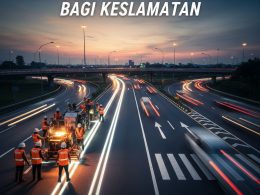
Clear and visible road markings are more than just lines on the pavement. They are crucial for safety, traffic organization, and overall infrastructure efficiency. Whether you manage a bustling parking lot, an industrial complex, or a public road, understanding professional road marking is essential.
Table of Contents
This complete guide to jasa marka jalan and pengecatan marka jalan will walk you through everything you need to know. We cover material types, selecting the right contractor, and maintaining your investment. Expert application of these road marking services significantly enhances safety, streamlines traffic flow, and ensures compliance with critical regulations. This ultimately contributes to a safer and more organized environment for everyone.
Understanding Professional Road Marking Services and Traffic Line Painting
Have you ever wondered about the specialized services that create those vital lines on our roads and parking lots? Professional road marking services and painting services apply durable, highly visible markings. These markings guide drivers, pedestrians, and cyclists.
Such services are fundamental to urban and industrial infrastructure. They ensure order and safety in various environments. Understanding these road marking services helps appreciate their value and when to engage them for your specific needs.
Defining Jasa Marka Jalan and Pengecatan Marka Jalan
The terms jasa marka jalan and pengecatan marka jalan refer to professional services for applying and maintaining road markings. “Jasa marka jalan” broadly covers all road marking services, including planning, design, application, and maintenance. “Pengecatan marka jalan” specifically means the painting aspect, a core service component.
These services use specialized equipment and materials. They create lines, symbols, and text on various surfaces, from asphalt to concrete. The goal is always clear, unambiguous visual cues that regulate movement and enhance safety. This is the essence of quality traffic line painting.
Who Needs Professional Road Marking Services?
Many entities benefit significantly from professional road marking services. This includes various organizations and property types. Essentially, any area with vehicular or pedestrian traffic can benefit from well-executed road markings.
- Government Agencies: For public roads, highways, and municipal areas to manage traffic flow and ensure public safety. These are key areas for traffic line painting.
- Commercial Property Owners: For parking lots, drive-thrus, and loading docks to optimize space, direct traffic, and comply with accessibility standards.
- Industrial Facilities: For warehouses, factories, and logistics centers to delineate pedestrian walkways, forklift paths, and safety zones.
- Educational Institutions: For school campuses, bus lanes, and parking areas to protect students and staff.
- Healthcare Facilities: For hospital parking, emergency vehicle access, and patient drop-off zones.
- Residential Communities: For private roads, shared parking, and recreational areas.
Essentially, any area with vehicular or pedestrian traffic can benefit from well-executed road markings.
Common Applications for Road Markings
Road marking applications are extensive and diverse. Some common uses include traffic lane delineation and parking stall striping. Each application requires specific materials and techniques for durability and visibility. This highlights the expertise involved in quality jasa marka jalan.
- Traffic Lane Delineation: White and yellow lines separating lanes, indicating no-passing zones, and defining road edges.
- Parking Stall Striping: Creating organized parking spaces, including accessible parking, reserved spots, and directional arrows. This is a common pengecatan marka jalan task.
- Pedestrian Crossings: Clearly marking crosswalks to ensure pedestrian safety.
- Road Safety Markings: Stop lines, yield lines, speed limit indicators, and hazard warnings.
- Directional Arrows and Text: Guiding drivers to specific destinations or indicating turns.
- Industrial Safety Markings: Defining safe zones, equipment paths, and emergency exits within industrial settings. These often require specialized road safety markings.
- Sports Courts and Recreational Areas: Marking boundaries for various sports or play areas.
Each application requires specific materials and techniques to ensure durability and visibility, highlighting the expertise involved in quality jasa marka jalan.
The Critical Importance of Clear Road Markings
Why are those painted lines on our roads so important? Clear and well-maintained road markings are not merely aesthetic additions. They are fundamental components of a safe and efficient transportation system. Their presence significantly impacts how drivers, pedestrians, and cyclists navigate their surroundings.
Investing in professional pengecatan marka jalan is an investment in public safety, traffic efficiency, and legal compliance. It prevents accidents and ensures smooth operations across various environments.
Enhancing Road Safety for Drivers and Pedestrians
One primary function of road safety markings is enhancing safety. They act as a non-verbal communication system, providing immediate visual cues to prevent accidents. For drivers, markings delineate lanes, indicate turning points, and warn of hazards. They also specify areas where stopping or parking is prohibited.
This clarity reduces confusion, especially in adverse weather or at night. Drivers can then make informed decisions quickly. For pedestrians, clearly marked crosswalks and pedestrian zones provide safe pathways. These road safety markings separate them from vehicular traffic, reducing collision risks.
Without these visual guides, roads would be chaotic and significantly more dangerous.
Improving Traffic Flow and Organization
Beyond safety, road markings play a crucial role in optimizing traffic flow and organization. In busy urban areas or large parking lots, efficient movement is paramount. Markings guide vehicles into appropriate lanes, directing them through intersections. They also indicate where to stop or yield.
This structured approach minimizes congestion and reduces driver frustration. It also improves overall travel times. In parking facilities, clear striping maximizes space utilization. It ensures an orderly flow of vehicles, preventing bottlenecks.
This makes it easier for users to find parking and navigate the lot. Strategic placement of arrows and symbols ensures traffic moves predictably and smoothly. Effective traffic line painting is key here.
Legal Compliance and Regulatory Standards
Adhering to legal compliance and regulatory standards is another critical aspect of road marking. Most jurisdictions have specific guidelines for road markings, covering color, size, placement, and retroreflectivity. Property owners and public entities are legally obligated to maintain these markings, ensuring safety and accessibility. Failure to comply can result in fines, legal liabilities, and increased accident risk.
For instance, accessible parking spaces must meet ADA standards, including specific dimensions and signage. Professional jasa marka jalan contractors are well-versed in these regulations. They ensure all markings are applied correctly and meet necessary legal requirements. This protects property owners from potential legal issues. Consider engaging a professional road marking contractor for compliance.
Diverse Types of Road Marking Materials and Applications
When considering jasa marka jalan or pengecatan marka jalan, understanding available materials is crucial. Each material offers unique properties for durability, visibility, and application. This makes it suitable for specific environments and traffic conditions. Choosing the right material ensures longevity and effectiveness, providing the best value for your investment.
Let’s explore common road marking materials and their typical applications.
Thermoplastic Markings Explained
Thermoplastic markings are among the most durable and widely used materials for high-traffic areas. This material is applied hot, typically exceeding 400°F (200°C). It bonds strongly to the road surface as it cools and hardens. Thermoplastic consists of synthetic resin, glass beads for retroreflectivity, pigments, and fillers.
- Exceptional Durability: Highly resistant to wear, abrasion, and harsh weather. Ideal for highways, main roads, and busy intersections.
- High Visibility: Glass beads ensure excellent retroreflectivity. Markings are highly visible at night and in low-light conditions.
- Fast Drying Time: Once applied, it cools and hardens quickly. This minimizes traffic disruption.
- Long Lifespan: Can last significantly longer than traditional paint. This reduces reapplication frequency.
Thermoplastic is often used for lane lines, edge lines, crosswalks, and stop lines. It is critical where long-term performance is needed. These are key applications for durable thermoplastic markings.
Cold Plastic and Paint-Based Markings
While thermoplastic markings are excellent for heavy-duty applications, other materials offer versatility and cost-effectiveness. These suit different needs.
- Cold Plastic (Two-Component Markings): This material consists of two components mixed just before application. It cures through a chemical reaction rather than heat.
- Durability: Offers durability comparable to thermoplastic in many cases. Especially for intricate designs or areas with moderate traffic.
- Flexibility: Can be applied in thicker layers. It is excellent for creating textured or raised markings, providing enhanced wet-night visibility.
- Application: Suitable for symbols, arrows, legends, and areas requiring high wear resistance without specialized heating equipment.
- Paint-Based Markings: Traditional road marking paints are typically solvent-based or water-based acrylics.
- Cost-Effective: Generally the most economical option for initial application.
- Versatility: Easy to apply on various surfaces and for a wide range of markings. This includes parking lot striping, curb painting, and temporary markings.
- Lifespan: Less durable than thermoplastic or cold plastic. It requires more frequent reapplication, especially in high-traffic areas.
- Visibility: Glass beads can be dropped onto wet paint to improve retroreflectivity.
Paint is commonly used for parking lots, residential streets, and areas where budget is a primary concern. It also suits less extreme wear. This makes it ideal for many pengecatan marka jalan projects. Such pengecatan marka jalan ensures clear guidance.
Specialized Markings for Different Surfaces
Beyond the material type, the surface itself dictates specific application techniques and considerations. Professional contractors offering jasa marka jalan understand how to adapt their methods. This ensures optimal adhesion and durability on various substrates.
- Asphalt: Most common road surface. Thermoplastic and paint adhere well, but proper surface preparation (cleaning, drying) is crucial.
- Concrete: Requires different primers and sometimes specialized paints due to its porous nature and alkalinity. Cold plastic often performs exceptionally well on concrete.
- Pavers/Interlocking Bricks: Can be challenging due to uneven surfaces and gaps. Specialized flexible materials or careful application of paint may be required.
- Indoor Surfaces (e.g., Warehouses): Often use epoxy-based paints or tapes for durability and chemical resistance on concrete floors.
The choice of material and application method is a critical decision. A reputable professional road marking contractor will guide you. This ensures the best solution for your specific project.
The Step-by-Step Process of Quality Road Marking
Achieving durable, highly visible, and compliant road markings is a meticulous process. It goes far beyond simply applying paint to a surface. A professional jasa marka jalan service follows a structured, multi-step approach. This ensures the highest quality results.
Understanding this process helps you appreciate the expertise involved. It also sets expectations when engaging a reputable contractor for your pengecatan marka jalan needs. Each stage is critical for the longevity and effectiveness of the final markings.
Initial Site Assessment and Planning
Every successful road marking project begins with a thorough site assessment and detailed planning. This initial phase is crucial for understanding the project’s scope, challenges, and specific requirements. The contractor will perform several key steps.
- Evaluate the Site: Assess the surface type (asphalt, concrete), existing markings, drainage, and environmental factors.
- Understand Traffic Flow: Analyze vehicle and pedestrian movement patterns to design markings that optimize safety and efficiency.
- Review Blueprints/Layouts: Work with client-provided plans or create new layouts based on site needs and regulatory standards.
- Material Selection: Recommend the most suitable marking materials (thermoplastic, cold plastic, paint) based on traffic volume, durability requirements, and budget.
- Permit Acquisition: Assist with or advise on any necessary permits for road closures or work in public areas.
- Scheduling: Plan the project timeline, considering weather conditions and minimizing disruption to traffic or business operations.
This planning ensures efficient project execution. It also meets all client expectations and regulatory guidelines.
Surface Preparation Techniques
Proper surface preparation is arguably the most critical step. It ensures the longevity and adhesion of road markings. Without it, even the highest quality materials will fail prematurely. Key preparation techniques are essential.
- Cleaning: Thoroughly removing dirt, dust, oil, grease, loose debris, and any other contaminants from the surface using sweeping, blowing, or pressure washing.
- Drying: Ensuring the surface is completely dry before application, as moisture can prevent proper adhesion.
- Old Marking Removal: Grinding, sandblasting, or hydro-blasting to remove old, faded, or incorrect markings, especially if new layouts are being applied.
- Crack Repair: Filling significant cracks or potholes to create a smooth, uniform surface for application.
- Priming: Applying a specialized primer to enhance adhesion, particularly on concrete surfaces or in areas with poor existing adhesion.
A clean, dry, and stable surface forms the foundation for durable jasa marka jalan. This crucial step ensures lasting results.
Application Methods and Equipment
The actual application of road markings requires specialized equipment and skilled operators. The method varies significantly depending on the material chosen. This includes specialized traffic line painting techniques.
- Thermoplastic Application:
- Melting Kettle: Thermoplastic material is heated in large kettles to its molten state.
- Applicator Machines: Specialized machines (hand-pushed or truck-mounted) then apply the molten material onto the road surface. These machines often have dispensers for glass beads, which are dropped onto the hot material for retroreflectivity.
- Screed or Spray: Can be applied via screed (for thicker, more structured lines) or spray (for thinner, more uniform lines).
- Cold Plastic Application:
- Two-Component Mixers: The two components are mixed in precise ratios just before application.
- Hand Application: Often applied by hand with trowels or specialized squeegees for intricate designs and symbols.
- Spray Application: Can also be sprayed using specialized equipment for lines.
- Paint Application:
- Line Striping Machines: Hand-pushed or ride-on machines with spray guns are used for precise line application.
- Rollers/Brushes: For curb painting, stenciling, or smaller, intricate areas.
- Glass Bead Dispensers: Often integrated into striping machines to drop beads onto wet paint for reflectivity.
Precision and consistency are key during the application phase of pengecatan marka jalan. These factors ensure high-quality results.
Quality Control and Curing
Once markings are applied, final steps ensure their quality and readiness for use. This includes thorough quality control and proper curing.
- Initial Inspection: The crew performs an immediate visual inspection for uniformity, straightness, correct dimensions, and proper bead embedment.
- Curing Time: Depending on the material and weather conditions, markings require a specific curing or drying time before they can withstand traffic. Thermoplastic cures quickly, while paints and cold plastics may take longer.
- Traffic Management: Cones, barricades, and flaggers are used to protect fresh markings during the curing process, preventing premature damage.
- Final Quality Check: A comprehensive review after curing to ensure all markings meet specifications, are highly visible, and comply with all relevant standards. This includes checking retroreflectivity.
- Site Cleanup: All equipment and debris are removed, leaving the site clean and safe.
This rigorous process ensures the jasa marka jalan project delivers durable, high-performance markings. They will serve their purpose effectively for years to come.
Key Factors When Selecting a Local Professional Road Marking Contractor
Choosing the right professional road marking contractor for your jasa marka jalan or pengecatan marka jalan project is paramount. A reputable and experienced contractor ensures correct application, high-quality materials, and regulatory compliance. With numerous options, knowing what to look for helps you make an informed decision. Focus on these key factors to find a reliable partner for your road marking needs.
Experience and Portfolio of Past Projects
A contractor’s experience and strong project portfolio are reliable indicators of capability. Ask potential contractors about their history.
- Years in Business: A longer track record often indicates stability and expertise.
- Relevant Project Experience: Have they completed projects similar in scope and complexity to yours (e.g., large parking lots, public roads, industrial facilities)?
- Project Portfolio: Request to see examples of their work, including photos or case studies. This allows you to assess the quality and precision of their markings.
- References: Ask for contact information for previous clients whom you can call to inquire about their satisfaction with the contractor’s work, professionalism, and adherence to timelines.
A contractor with a proven history of successful pengecatan marka jalan projects will likely deliver satisfactory results. This track record is essential.
Licensing, Certifications, and Insurance
Ensuring your chosen contractor is properly licensed, certified, and insured is non-negotiable. These credentials protect you from liability. They also guarantee professional and legal operation.
- Business License: Verify that they hold all necessary local and state business licenses.
- Industry Certifications: Look for certifications related to road marking standards, material application, or safety protocols. These demonstrate a commitment to best practices.
- Insurance: Confirm they carry comprehensive liability insurance and worker’s compensation insurance. This protects you from financial responsibility in case of accidents, injuries, or property damage during the project. Request proof of insurance directly from their provider.
Working with an uninsured or uncertified contractor can expose you to significant risks. Always verify their credentials.
Material Quality and Equipment Standards
The quality of materials and equipment directly impacts road marking durability and effectiveness. A professional contractor will prioritize these standards.
- Use High-Quality Materials: They should specify the types of materials they use (e.g., thermoplastic, cold plastic, specific paint brands) and be able to explain their benefits and suitability for your project. They should source materials from reputable manufacturers.
- Employ Modern Equipment: Well-maintained, state-of-the-art equipment ensures precise application, efficiency, and consistent results. Outdated or poorly maintained equipment can lead to uneven lines, poor adhesion, and project delays.
- Adhere to Standards: They should be knowledgeable about and adhere to relevant industry standards for material application, such as those for retroreflectivity and thickness.
Do not hesitate to ask about the materials and equipment they plan to use for your jasa marka jalan project. This ensures transparency and quality.
Customer Reviews and Testimonials
In today’s digital age, customer reviews and testimonials offer valuable insights. They reveal a contractor’s reputation and service quality. Look for specific indicators.
- Online Reviews: Check platforms like Google Reviews, Yelp, or industry-specific review sites. Pay attention to recurring themes, both positive and negative.
- Testimonials: While testimonials on a contractor’s website are often curated, they can still provide a glimpse into client satisfaction.
- Responsiveness: How quickly and thoroughly do they respond to inquiries? This can be an indicator of their overall customer service.
- Communication: Do they communicate clearly and transparently throughout the quoting and planning process?
A contractor with consistently positive feedback and strong client commitment is a strong candidate for your pengecatan marka jalan needs. This indicates reliability.
Benefits of Investing in Expert Road Marking Solutions
When considering jasa marka jalan or pengecatan marka jalan, it’s easy to view it as just another expense. However, investing in expert road marking solutions offers many long-term benefits. These far outweigh the initial cost. These advantages extend beyond mere aesthetics, impacting safety, operational efficiency, and your organization’s public image.
Understanding these benefits helps justify the investment. It also highlights the value professional road marking services bring to any property or public space.
Long-Term Durability and Cost-Effectiveness
One significant benefit of expert road marking is its long-term durability. Professional contractors use high-quality materials like thermoplastic or durable cold plastics. These are applied with precision and proper surface preparation. This results in markings that offer lasting performance.
- Withstand Harsh Conditions: Resist wear from heavy traffic, UV radiation, extreme temperatures, and various weather elements.
- Maintain Visibility: Retain their color and retroreflectivity for extended periods, ensuring continuous safety and guidance.
- Reduce Reapplication Frequency: Last significantly longer than cheaper, lower-quality alternatives. This means you won’t need to repaint or reapply as often.
While the initial cost of expert jasa marka jalan might be higher, the extended lifespan and reduced maintenance requirements translate into significant cost savings. Fewer disruptions for reapplication also mean less operational downtime. This benefits your facility or road network.
Professional Appearance and Brand Image
The appearance of your property or public space speaks volumes. It reflects management and attention to detail. Clear, crisp, and well-maintained road markings contribute to a highly professional and organized aesthetic. This is particularly important for various entities.
- Commercial Properties: A well-striped parking lot creates a positive first impression for customers. It makes it easier and safer for them to navigate. It reflects positively on your brand image.
- Industrial Facilities: Organized internal markings enhance operational efficiency and demonstrate a commitment to safety. This can be crucial for audits and client visits.
- Public Roads: Clear markings indicate a well-maintained infrastructure. This instills confidence in drivers and reflects positively on municipal management.
Investing in quality pengecatan marka jalan enhances your property’s curb appeal. It also boosts your overall brand reputation.
Reduced Liability and Accident Prevention
Perhaps the most critical benefit of expert road safety markings solutions is their role in reducing liability and preventing accidents. Clear markings are a proactive measure. They ensure safety for everyone using your property or roads.
- Accident Prevention: Markings guide drivers, indicate hazards, define pedestrian zones, and regulate traffic flow. This significantly reduces the likelihood of collisions, fender benders, and pedestrian accidents.
- Legal Compliance: Professional contractors ensure all markings comply with local, state, and federal regulations (e.g., ADA standards for accessible parking). This compliance is vital for avoiding fines and legal challenges.
- Liability Protection: In the event of an accident, clearly visible and compliant markings demonstrate that you have taken reasonable steps to ensure safety. This potentially reduces your liability.
- Enhanced Safety Culture: For industrial sites, clear safety markings contribute to a strong safety culture, protecting employees and visitors.
By prioritizing expert jasa marka jalan, you actively create a safer environment. This protects individuals and safeguards your organization from potential legal and financial repercussions.
Maintaining Your Road Markings for Long-Term Durability
Even expertly applied jasa marka jalan and pengecatan marka jalan require ongoing care. This ensures their long-term durability and effectiveness. Regular maintenance extends your investment’s lifespan. It also ensures markings continue to guide traffic and enhance safety.
Neglecting maintenance leads to faded, chipped, or obscured markings. This compromises safety and can lead to costly reapplication sooner. Here’s how to keep your traffic line painting in top condition.
Regular Inspection and Cleaning Practices
Proactive inspection and cleaning are fundamental to maintaining road marking quality. These practices are essential for longevity.
- Scheduled Inspections: Conduct visual inspections at least quarterly, or more frequently in high-traffic or harsh weather areas. Look for signs of fading, chipping, cracking, or peeling. Pay attention to areas prone to heavy wear, such as intersections, stop lines, and parking lot entrances.
- Debris Removal: Regularly sweep or blow away loose dirt, leaves, gravel, and other debris that can accumulate on markings. This prevents abrasive wear and keeps markings visible.
- Stain and Spill Cleanup: Promptly clean up oil spills, chemical leaks, or other stains. Use appropriate cleaning agents that won’t damage the marking material. For instance, a mild detergent and water solution is often effective for general grime.
- Vegetation Control: Ensure that grass, weeds, or other vegetation do not grow over or obscure markings, especially along road edges or in parking lot islands.
Consistent cleaning and inspection help identify minor issues before they become major problems. This preserves the integrity of your pengecatan marka jalan.
When to Consider Repainting or Reapplication
Despite best maintenance efforts, road markings will eventually degrade. They will require repainting or reapplication. Knowing when to schedule this is crucial for continuous safety and compliance.
- Fading and Loss of Visibility: When markings become significantly faded, especially at night or in wet conditions, their effectiveness is compromised. This is a clear sign for reapplication.
- Chipping and Peeling: If the marking material is visibly chipping, peeling, or flaking off the surface, it indicates a loss of adhesion and durability.
- Cracking: Extensive cracking in the marking material can lead to further deterioration and reduced visibility.
- Regulatory Changes: Occasionally, local or national regulations for road markings may change, requiring updates to existing layouts or material specifications.
- Traffic Volume: High-traffic areas will naturally wear down markings faster than low-traffic zones, necessitating more frequent reapplication.
- Before Major Events: If your property hosts significant events, consider refreshing markings beforehand to ensure a professional appearance and optimal safety.
Consulting with a professional road marking contractor for an assessment helps determine the optimal reapplication time. This ensures minimal disruption and maximum value.
Tips for Extending Markings’ Lifespan
Beyond regular cleaning and timely reapplication, several practices can extend your road markings’ overall lifespan. These tips ensure lasting effectiveness.
- Choose the Right Material: As discussed, selecting the appropriate material (e.g., thermoplastic for high-traffic, paint for low-traffic) during the initial application is key to long-term durability.
- Ensure Proper Application: Always use a professional contractor who follows best practices for surface preparation and application. Poor initial application is a primary cause of premature failure.
- Minimize Abrasive Traffic: Where possible, reduce the impact of heavy machinery, snowplows, or vehicles with chains directly on markings.
- Control Drainage: Ensure proper drainage on your surfaces to prevent standing water, which can accelerate marking degradation.
- Avoid Harsh Chemicals: When cleaning, use mild, non-abrasive cleaning solutions to avoid damaging the marking material.
- Address Underlying Surface Issues: Repair significant cracks, potholes, or uneven surfaces before applying new markings. A stable base is essential for marking longevity.
By implementing these tips, you can significantly extend the life of your jasa marka jalan. This ensures they continue to perform effectively for years to come.
Key Takeaways & Next Steps
Understanding and investing in professional jasa marka jalan and pengecatan marka jalan is crucial. It ensures the safety, efficiency, and professional appearance of any property or public space. Benefits of clear, durable road markings are undeniable, from enhancing safety to ensuring legal compliance. We’ve explored diverse materials, the meticulous application process, and critical contractor selection factors.
Remember that proper maintenance is key to maximizing your investment. It also extends the lifespan of these vital visual cues.
Next Steps:
- Assess Your Needs: Evaluate your property or road network to identify areas that require new markings or reapplication.
- Consult an Expert: Reach out to reputable local jasa marka jalan contractors for a site assessment and detailed quote. Discuss material options and application methods suitable for your specific environment.
- Prioritize Quality: While cost is a factor, prioritize professional road marking contractors who demonstrate experience, use high-quality materials, and adhere to industry standards. The long-term durability and safety benefits will outweigh initial savings from cheaper alternatives.
- Plan for Maintenance: Establish a regular inspection and cleaning schedule to preserve your markings and identify when reapplication is necessary.
By taking these steps, you ensure your road markings are effective tools. They contribute to a safer, more organized, and professional environment for everyone. This is the goal of all road marking services.