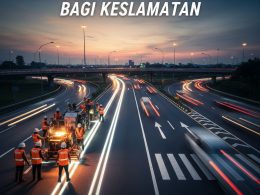
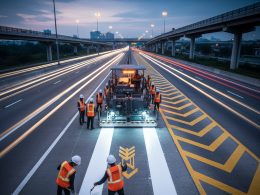
Road markings are more than just paint on asphalt; they are critical components of road safety, traffic flow, and overall infrastructure. When executed poorly, they can lead to confusion, accidents, and significant financial setbacks. Understanding the nuances of road marking projects is essential for anyone involved, from contractors to property managers. This article will delve into the Common Jasa marka jalan, pengecatan marka jalan Mistakes to Avoid, providing insights to help you achieve durable, compliant, and effective results. By identifying these pitfalls, you can ensure your road marking endeavors contribute positively to safety and efficiency, rather than becoming a source of problems.
Table of Contents
Why Understanding Project Scope Prevents Costly Jasa Marka Jalan Errors?
Embarking on any jasa marka jalan project without a clear understanding of its scope is akin to building a house without blueprints – it’s bound to lead to structural issues and budget overruns. A well-defined project scope is the foundation of successful road marking, ensuring all stakeholders are aligned and expectations are managed. Neglecting this crucial first step can result in a cascade of problems, from non-compliance to premature wear and tear of the markings themselves. It’s not just about applying paint; it’s about understanding the environment, the regulations, and the long-term vision for the marked area.
Ignoring local regulations and standards
One of the most significant mistakes in any road marking project is failing to adhere to local regulations and industry standards. Each region, and sometimes even specific municipalities, will have distinct guidelines regarding line thickness, color codes, reflectivity requirements, and material specifications. Ignoring these can lead to immediate project rejection, costly reworks, and potential legal liabilities. For instance, certain areas might mandate specific types of thermoplastic paint for high-traffic zones, while others might allow for more economical cold plastic options in less critical areas. Always begin by consulting local transportation authorities and relevant standard bodies to ensure full compliance. This proactive approach saves time, money, and ensures the safety and legality of your markings.
Underestimating traffic volume impact
The volume and type of traffic an area experiences directly influence the choice of materials, application methods, and even the timing of the project. Underestimating this impact is a common error. A low-traffic parking lot will have vastly different requirements than a busy highway intersection. High-traffic areas demand more durable materials, such as thermoplastic or two-component cold plastic, which can withstand constant abrasion and heavy vehicle loads. Furthermore, high traffic necessitates meticulous planning for traffic management during the application process to minimize disruption and ensure worker safety. Failing to account for traffic can lead to rapid deterioration of markings, requiring frequent and expensive re-marking, and can also pose significant safety risks during application.
Failing to define clear project goals
What is the ultimate purpose of your road marking project? Is it for pedestrian safety, traffic channeling, parking organization, or a combination of these? Without clearly defined goals, the project can lack direction, leading to inefficient resource allocation and unsatisfactory outcomes. Clear goals help in selecting appropriate marking types, colors, and layouts. For example, if the goal is to improve pedestrian safety around a school, highly visible crosswalks with enhanced reflectivity and possibly raised pavement markers would be prioritized. Conversely, for parking lot organization, clear stall lines and directional arrows might be the primary focus. Establishing these goals upfront ensures that every decision, from material selection to application technique, contributes to the desired end result, making the jasa marka jalan project truly effective.
How Can Neglecting Site Preparation Lead to Pengecatan Marka Jalan Failures?
The success of any pengecatan marka jalan project hinges significantly on the quality of site preparation. It’s a foundational step that, if overlooked or executed poorly, can compromise the adhesion, durability, and overall appearance of the road markings. Think of it like painting a wall; you wouldn’t apply paint over a dirty, greasy, or uneven surface and expect a professional, long-lasting finish. The same principle applies, perhaps even more critically, to road markings which endure constant exposure to traffic, weather, and environmental contaminants. Proper preparation ensures that the marking materials bond effectively with the road surface, maximizing their lifespan and effectiveness.
Inadequate surface cleaning before application
Applying road marking paint to a dirty or unprepared surface is a recipe for disaster. Dust, dirt, oil, grease, loose aggregate, and even moisture can act as barriers, preventing the paint from properly adhering to the asphalt or concrete. This leads to premature peeling, chipping, and fading, drastically reducing the lifespan of the markings. Effective surface cleaning typically involves several steps:
- Sweeping and Blowing: Removing loose debris with brooms or powerful air blowers.
- Washing: Using high-pressure water to remove stubborn dirt and grime, often with detergents for oil and grease.
- Drying: Ensuring the surface is completely dry before application, as moisture can prevent proper adhesion.
- Grinding/Shot Blasting: For older, heavily worn surfaces, mechanical preparation might be necessary to create a suitable profile for adhesion.
Skipping any of these steps can severely compromise the quality and longevity of your pengecatan marka jalan.
Poor traffic management during work
Road marking projects often occur in active traffic environments, making effective traffic management paramount. Poor planning in this area not only endangers workers but also disrupts traffic flow and can lead to vehicles driving over wet paint. This results in smudged, ineffective markings and potentially damaged vehicles. Key aspects of good traffic management include:
- Clear Signage: Deploying highly visible warning signs, cones, and barricades well in advance of the work zone.
- Flaggers/Traffic Controllers: Utilizing trained personnel to direct traffic safely around the work area.
- Temporary Lane Closures: Strategically closing lanes to create a safe working environment and guide traffic.
- Communication: Informing the public about potential delays or alternative routes.
Investing in proper traffic management ensures safety, minimizes inconvenience, and protects the integrity of the freshly applied markings.
Disregarding worker safety protocols
Road marking involves working with heavy machinery, hot materials (like thermoplastic), and often in close proximity to moving traffic. Disregarding worker safety protocols is not only unethical but can lead to serious injuries, legal issues, and project delays. Essential safety measures include:
- Personal Protective Equipment (PPE): Ensuring all workers wear high-visibility vests, safety glasses, gloves, hard hats, and appropriate footwear.
- Training: Providing comprehensive training on equipment operation, material handling, and emergency procedures.
- Hazard Assessment: Regularly assessing the work environment for potential hazards and implementing mitigation strategies.
- First Aid: Having readily available first aid kits and trained personnel.
A safe work environment is a productive work environment, and prioritizing worker safety is a non-negotiable aspect of any successful pengecatan marka jalan operation.
What Are the Pitfalls of Choosing Wrong Materials for Road Markings?
The effectiveness and longevity of road markings are heavily dependent on the materials chosen. Selecting the wrong type of paint or marking material is a common and costly mistake that can undermine the entire jasa marka jalan effort. Different materials are designed for specific applications, traffic conditions, and environmental factors. A material that performs exceptionally well in one scenario might fail miserably in another, leading to premature deterioration, reduced visibility, and the need for frequent re-marking. Understanding the properties and limitations of various road marking materials is crucial for making informed decisions that ensure durability, safety, and cost-effectiveness.
Using low-quality or incompatible paints
The market offers a wide range of road marking paints, varying significantly in quality and composition. Opting for cheaper, low-quality paints might seem like a cost-saving measure initially, but it almost always results in higher long-term expenses due to rapid wear, fading, and poor adhesion. These paints often lack the necessary binders, pigments, and reflective beads to withstand harsh weather, UV radiation, and constant traffic abrasion. Similarly, using paints incompatible with the existing road surface or previous markings can lead to delamination and poor performance. For example, applying a water-based paint over an oil-based residue without proper preparation can cause adhesion issues. Always choose reputable brands and materials that meet industry standards for durability and performance, even if the upfront cost is slightly higher. This ensures a longer lifespan and better value for your pengecatan marka jalan investment.
Incorrect material selection for weather conditions
Weather conditions play a critical role in the performance of road markings. Different materials are formulated to perform optimally in specific climates. For instance:
- Thermoplastic: Excellent for high-traffic areas and regions with significant temperature fluctuations, as it offers superior durability and reflectivity. However, it requires specialized equipment and high application temperatures.
- Cold Plastic (Two-Component): Highly durable and resistant to chemicals and abrasion, suitable for demanding environments and intricate markings. It cures through a chemical reaction, not heat.
- Water-Based Paints: Environmentally friendly and quick-drying, ideal for areas with moderate traffic and temperate climates. Less durable than thermoplastic or cold plastic.
- Solvent-Based Paints: Offer good durability and adhesion, often used in colder climates where water-based paints might struggle to dry.
Using a material not suited for the local climate – for example, a less durable water-based paint in an area with heavy snow and salt application – will inevitably lead to premature failure and the need for costly re-marking. Consider factors like average temperatures, rainfall, snow, and UV exposure when making your selection.
Overlooking durability and reflectivity needs
The primary functions of road markings are to guide traffic and enhance safety, especially at night or in adverse weather conditions. Overlooking the durability and reflectivity requirements of these markings is a critical mistake. Durability ensures the markings remain visible and intact for an extended period, reducing maintenance frequency. Reflectivity, achieved by embedding glass beads into the paint, is vital for nighttime visibility, allowing headlights to illuminate the markings effectively. Without adequate reflectivity, markings become virtually invisible in the dark, posing a significant safety hazard. Always specify materials that meet or exceed the required durability ratings for the expected traffic load and ensure the inclusion of high-quality reflective beads. This attention to detail in material selection is paramount for the long-term success and safety impact of your jasa marka jalan project.
Avoiding Common Errors During the Pengecatan Marka Jalan Application Process
Even with the right materials and thorough site preparation, the actual application process of pengecatan marka jalan can be fraught with errors if not executed with precision and expertise. The quality of the final road marking is a direct reflection of the application technique. Mistakes made during this stage can lead to aesthetically unpleasing results, reduced functionality, and a significantly shortened lifespan of the markings. From inconsistent line work to improper curing, these application errors can undermine all the careful planning and material selection, ultimately costing more in reworks and maintenance. Adhering to best practices during application is crucial for achieving professional, durable, and effective road markings.
Inconsistent line thickness and alignment
One of the most visually apparent and functionally detrimental errors is inconsistent line thickness and poor alignment. Road markings are meant to be clear, uniform, and unambiguous. Lines that vary in width, are crooked, or don’t align properly can confuse drivers, detract from the professional appearance of the road, and even pose safety risks. This often stems from:
- Operator Inexperience: Lack of skill in operating marking equipment.
- Faulty Equipment: Malfunctioning spray nozzles or worn-out guides.
- Inadequate Layout: Poorly measured or marked guidelines before application.
- Rushing the Job: Sacrificing precision for speed.
To avoid this, ensure operators are well-trained, equipment is regularly maintained and calibrated, and precise layout measurements are taken. Consistent line thickness and accurate alignment are fundamental to effective road markings.
Applying paint at wrong temperatures
Temperature, both ambient and surface, significantly impacts the application and curing of road marking materials. Applying paint outside the manufacturer’s recommended temperature range can lead to a host of problems:
- Too Cold: Paint may become too viscous, leading to uneven application, poor flow, and slow curing. Adhesion can also be compromised.
- Too Hot: Paint may dry too quickly on the surface, preventing proper bonding with the road or causing blistering. Thermoplastic materials, if overheated, can degrade.
Always check the product data sheet for specific temperature guidelines. Using thermometers to monitor both air and surface temperatures is a simple yet critical step to ensure optimal application conditions. This attention to environmental factors is key for the proper curing and long-term performance of your pengecatan marka jalan.
Insufficient drying time leading to smudges
After application, road markings require a specific amount of time to dry or cure completely before being exposed to traffic. Rushing this process by opening the marked area too soon is a common mistake that leads to smudges, tire marks, and damaged markings. This not only ruins the aesthetic appeal but also compromises the functionality and durability of the lines. The required drying time varies depending on:
- Material Type: Water-based paints dry faster than solvent-based, and thermoplastic cures almost instantly upon cooling. Cold plastic has a specific chemical curing time.
- Thickness of Application: Thicker lines take longer to dry.
- Environmental Conditions: Humidity, temperature, and airflow all affect drying times.
Proper traffic management, including the use of cones, barricades, and flaggers, is essential to keep vehicles off freshly applied markings until they are fully cured. Patience during this stage is vital to ensure the integrity and longevity of the jasa marka jalan.
What Post-Application Issues and Maintenance Oversights Should You Avoid?
The completion of the pengecatan marka jalan application is not the end of the project; it marks the beginning of its operational life. Post-application issues and maintenance oversights can significantly shorten the lifespan of road markings, diminish their effectiveness, and ultimately lead to higher costs in the long run. Just like any other infrastructure, road markings require ongoing attention to ensure they continue to serve their purpose effectively. Neglecting proper care and timely intervention can turn minor wear into major deterioration, compromising safety and requiring complete re-marking much sooner than anticipated. Proactive maintenance is key to maximizing the investment made in road marking projects.
Lack of regular inspection and touch-ups
Road markings are constantly exposed to harsh elements, heavy traffic, and wear and tear. Without regular inspection, minor issues can go unnoticed and escalate into significant problems. A comprehensive inspection program should include:
- Visual Checks: Looking for signs of fading, chipping, cracking, or peeling.
- Reflectivity Assessment: Checking nighttime visibility, especially in critical areas like crosswalks and stop lines.
- Damage Assessment: Identifying areas damaged by accidents, utility work, or environmental factors.
Timely touch-ups or repairs to small damaged sections can prevent the need for full re-marking. For example, a small chip in a line can quickly expand if left unaddressed, allowing water to penetrate and further degrade the marking. Regular, scheduled inspections are a cost-effective way to extend the life of your jasa marka jalan.
Improper cleaning methods damaging markings
While cleaning road surfaces is essential, using improper methods can inadvertently damage the markings themselves. High-pressure washing, harsh chemical detergents, or abrasive scrubbing can strip away reflective beads, erode the paint layer, or even cause delamination. It’s crucial to use cleaning methods that are compatible with the specific type of road marking material. For instance:
- Gentle Washing: For most markings, a mild detergent and moderate pressure wash are sufficient.
- Avoid Abrasives: Steer clear of wire brushes or highly abrasive cleaning pads.
- Chemical Compatibility: Ensure any cleaning agents used will not react negatively with the paint or thermoplastic.
Educating maintenance staff on appropriate cleaning techniques can prevent accidental damage and preserve the integrity of the markings.
Delaying necessary repairs and re-marking
Procrastination in addressing damaged or faded markings is a common and costly mistake. What starts as a small crack or a slightly faded section can quickly worsen, especially in areas with high traffic or extreme weather. Delaying repairs can lead to:
- Increased Safety Risks: Faded or incomplete markings provide unclear guidance, increasing the risk of accidents.
- Higher Repair Costs: A small repair job can turn into a full re-marking project if left too long.
- Legal Liabilities: Poorly maintained markings can be cited in accident investigations.
Establishing a proactive maintenance schedule that includes prompt repairs and timely re-marking based on wear and tear is vital. This ensures that road markings consistently perform their intended function, maintaining safety and efficiency on the roads and extending the overall value of your pengecatan marka jalan investment.
Why Professional Road Marking Services Matter for Quality Jasa Marka Jalan?
While some might consider road marking a straightforward task, the reality is that achieving high-quality, durable, and compliant results requires specialized knowledge, equipment, and experience. Attempting a DIY approach or hiring inexperienced contractors for jasa marka jalan can lead to a multitude of the mistakes discussed earlier, ultimately costing more in the long run through reworks, fines, and compromised safety. Professional road marking services bring a level of expertise that ensures every aspect of the project, from planning to post-application maintenance, is handled with precision and adherence to industry best practices. Investing in professionals is an investment in safety, longevity, and peace of mind.
Ensuring compliance with local codes
Local regulations and national standards for road markings are complex and constantly evolving. Professional road marking companies are intimately familiar with these codes, including specific requirements for material types, line dimensions, reflectivity levels, and placement. They stay updated on the latest changes and ensure that every project they undertake is fully compliant. This expertise is invaluable, as non-compliant markings can lead to:
- Project Rejection: Requiring costly removal and re-application.
- Fines and Penalties: Imposed by regulatory bodies.
- Legal Liabilities: In case of accidents attributed to improper markings.
By engaging professionals, you mitigate these risks, ensuring your jasa marka jalan project meets all legal and safety requirements from the outset.
Achieving long-lasting, high-quality results
Professional road marking services possess the specialized equipment, high-quality materials, and trained personnel necessary to deliver superior results. They understand the nuances of surface preparation, material selection for specific conditions, and precise application techniques. This translates to:
- Optimal Adhesion: Ensuring markings bond properly to the surface, preventing premature peeling.
- Consistent Application: Uniform line thickness, crisp edges, and accurate alignment.
- Enhanced Durability: Using materials and methods that maximize the lifespan of the markings, even in high-traffic or harsh weather conditions.
- Superior Reflectivity: Proper application of reflective beads for maximum nighttime visibility.
The investment in professional services pays off through markings that last longer, look better, and perform more effectively, reducing the frequency and cost of re-marking.
Minimizing risks and costly reworks
The cumulative effect of avoiding the common mistakes discussed throughout this article is a significant reduction in project risks and the need for costly reworks. Professionals anticipate potential challenges and implement strategies to prevent them. Their experience allows them to efficiently manage traffic, ensure worker safety, and troubleshoot issues before they become major problems. By getting the job done right the first time, professional road marking services save clients money by:
- Reducing Material Waste: Efficient application minimizes waste.
- Avoiding Delays: Experienced teams work efficiently and on schedule.
- Preventing Premature Failure: High-quality work means less frequent maintenance and re-marking.
- Mitigating Legal Issues: Compliance and safety reduce liability risks.
Ultimately, choosing professional jasa marka jalan services is a strategic decision that ensures a safe, durable, and cost-effective outcome for all your road marking needs.
Key Takeaways & Next Steps
Effective road markings are indispensable for maintaining safety, order, and efficiency on our roads and in our communities. As we’ve explored, the process of jasa marka jalan and pengecatan marka jalan is far from simple, fraught with potential pitfalls that can compromise the integrity and longevity of the markings. From overlooking critical project scope details and neglecting thorough site preparation to making poor material choices and executing flawed application techniques, each mistake carries significant consequences, including increased costs, reduced safety, and the need for premature reworks.
The key takeaways from this comprehensive guide are clear:
- Plan Meticulously: Always start with a clear project scope, understand local regulations, and assess traffic impact.
- Prepare Thoroughly: Ensure surfaces are impeccably clean and dry, and implement robust traffic and worker safety protocols.
- Choose Wisely: Select high-quality, compatible materials suited for specific weather conditions and durability requirements.
- Apply Precisely: Maintain consistent line thickness, apply paint at optimal temperatures, and allow sufficient drying time.
- Maintain Proactively: Implement regular inspections, use proper cleaning methods, and address repairs promptly.
For your next road marking project, the most crucial next step is to consider engaging professional road marking services. Their expertise ensures compliance, delivers long-lasting, high-quality results, and significantly minimizes risks and costly reworks. By avoiding these common mistakes and prioritizing professional execution, you can ensure your road markings effectively serve their purpose, enhancing safety and efficiency for years to come.
Inadequate Surface Preparation and Substandard Materials
One of the most frequent and detrimental errors in jasa marka jalan is the failure to adequately prepare the road surface. Many providers overlook crucial steps such as thorough cleaning, ensuring the surface is completely dry, and applying a suitable primer. Skipping these foundational stages leads to poor adhesion, causing the paint to peel, crack, or fade prematurely, significantly reducing the lifespan and effectiveness of the markings. A clean, dry, and properly primed surface is paramount for optimal paint bonding. Equally critical is the selection of materials. Opting for cheaper, low-quality road marking paint or skimping on the quantity and quality of reflective glass beads might seem like a cost-saving measure initially. However, such choices inevitably result in markings that quickly lose their vibrancy, reflectivity, and durability, failing to meet safety standards and requiring costly re-application much sooner than expected. Investing in high-grade, durable materials designed for specific traffic conditions is essential for long-term performance and safety.
Flawed Application Techniques and Environmental Neglect
Beyond preparation and materials, the actual application process is rife with potential pitfalls. Incorrect application techniques, such as applying paint too thinly or excessively thick, result in inconsistent markings that either wear out rapidly or become prone to cracking and chipping. Uneven lines, inconsistent widths, or misaligned symbols not only look unprofessional but also confuse drivers, compromising road safety. Furthermore, the choice and calibration of application equipment play a significant role; using outdated or poorly maintained machinery can lead to patchy coverage and substandard results. A common oversight is neglecting environmental conditions. Applying road markings during adverse weather – such as rain, extreme humidity, or temperatures outside the manufacturer’s recommended range – severely impacts the paint’s curing process and adhesion. This often leads to smudging, blistering, or complete failure of the markings, rendering the entire effort futile and necessitating expensive rework. Professional services always monitor weather forecasts and adhere strictly to environmental guidelines to ensure optimal curing and longevity.
Disregarding Regulatory Compliance and Post-Application Protocols
A critical mistake that can have serious repercussions is the failure to comply with local and national regulations and standards for road markings. Each region, including Indonesia with its specific SNI (Standar Nasional Indonesia) guidelines, has precise specifications regarding line dimensions, color codes, reflective properties, and symbol designs. Deviating from these standards not only risks legal penalties and project rejection but also creates safety hazards for road users who rely on consistent, predictable markings. Ensuring all markings meet the required specifications is non-negotiable. Lastly, inadequate post-application care and traffic management during the curing period are often overlooked. Opening freshly marked roads to traffic too soon, or failing to implement proper temporary traffic control measures, can lead to smudged, damaged, or completely obliterated markings before they have fully cured. This not only wastes resources but also poses immediate dangers. Proper planning for curing time and effective traffic diversion are vital to protect the newly applied road markings and ensure their intended functionality and durability, thereby maximizing the return on investment in road marking works.
eworks. By avoiding these common mistakes and prioritizing professional execution, you can ensure your road markings effectively serve their purpose, enhancing safety and efficiency for years to come.
Key Takeaways & Next Steps
- Prioritize Preparation: Never underestimate the importance of a clean, dry, and primed surface for optimal adhesion and longevity.
- Invest in Quality Materials: High-grade paints and reflective beads are crucial for durability, visibility, and compliance with safety standards.
- Master Application Techniques: Ensure precise, consistent application using well-maintained equipment, and always consider environmental conditions.
- Adhere to Regulations: Strict compliance with local and national road marking standards (e.g., SNI) is essential to avoid legal issues and ensure safety.
- Implement Proper Curing & Traffic Management: Protect newly applied markings during their curing period with effective traffic control to prevent damage.
- Seek Professional Expertise: For complex projects or to guarantee adherence to best practices, engage experienced jasa marka jalan providers who understand these nuances.