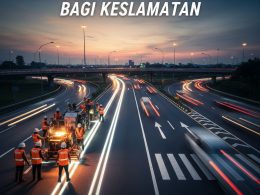
Clear and visible road markings are more than just lines on asphalt. They are critical components of a safe, organized, and efficient transportation system. Professional road marking services guide drivers through complex intersections. They also delineate parking spaces and pedestrian walkways, playing an indispensable role in urban and rural infrastructure.
Table of Contents
Without well-maintained pavement markings, chaos can ensue on our roads. This leads to increased accidents, traffic congestion, and confusion for all road users. This comprehensive tutorial will guide you through the intricacies of pavement marking. It highlights why expert application is essential and what to look for in quality service providers.
Understanding the Importance of Professional Road Marking Services
Have you considered the silent language spoken by the lines on our roads? These markings are vital for maintaining order and safety for everyone. Professional road marking services ensure this language is clear, consistent, and universally understood. This prevents confusion and potential hazards for drivers and pedestrians alike.
Why Clear Pavement Markings Are Crucial for Safety
Clear pavement markings primarily function for safety, acting as a constant visual guide for drivers. These markings inform drivers of lane boundaries, upcoming turns, and pedestrian crossings. They also clearly indicate no-passing zones, significantly enhancing overall road safety for everyone.
Highly visible markings become critical in adverse weather conditions, such as rain or fog. This significantly reduces the risk of collisions. Clearly marked crosswalks provide safe passage for pedestrians, effectively separating them from vehicular traffic.
Without these visual cues, drivers might drift between lanes, make incorrect turns, or fail to yield to pedestrians. This often leads to dangerous situations on our roads. Investing in professional road line painting minimizes accidents and ultimately protects lives.
Regulatory Requirements for Road and Parking Lot Markings
Beyond safety, road and parking lot markings are subject to strict regulatory requirements. In the United States, the Manual on Uniform Traffic Control Devices (MUTCD) sets the standards for all traffic control devices, including pavement markings. Adhering to these standards is not optional; it is a legal necessity for municipalities, private property owners, and businesses.
Non-compliance can result in significant fines, legal liabilities, and even the inability to obtain necessary permits. Professional road marking services are well-versed in these regulations. They ensure that all markings, from lane lines to accessible parking symbols, meet required specifications.
These specifications cover color, size, reflectivity, and placement. This expertise guarantees that your road marking services provide markings that are not only effective but also legally compliant. Trust experts for your road marking services needs.
Enhancing Traffic Flow and Pedestrian Guidance
Well-designed and clearly applied pavement markings are instrumental in optimizing traffic flow. They guide vehicles smoothly through intersections, indicating turning lanes. Markings also direct traffic around obstacles or construction zones, improving overall efficiency.
In parking lots, clear markings define parking stalls, directional arrows, and fire lanes. This prevents congestion and makes it easier for drivers to navigate and find spaces. For pedestrians, designated crosswalks and walkways provide clear paths, reducing conflicts with vehicles.
This also improves overall accessibility for pedestrians. By creating an intuitive visual environment, professional traffic line marking helps to reduce driver frustration. It minimizes delays and creates a more harmonious coexistence between vehicles and pedestrians.
The Essential Steps for Quality Pavement Marking Projects
Embarking on a pavement marking project requires a systematic approach to ensure durability, visibility, and compliance. A professional road marking services provider follows a meticulous step-by-step process. They transform a bare surface into a clearly delineated and safe environment.
Initial Site Assessment and Project Planning
Every successful road marking services project begins with a thorough site assessment and detailed planning. This initial phase involves evaluating existing surface conditions and identifying any necessary repairs. It also includes understanding specific traffic patterns and regulatory requirements for the area.
The service provider will consult with the client to determine the desired layout and types of markings. These include solid lines, dashed lines, arrows, or stencils, along with appropriate materials. A comprehensive plan is then developed, outlining the project scope, timeline, and material specifications.
This plan also details any necessary traffic control measures during the application process. This meticulous planning ensures that the project is executed efficiently. It meets all client expectations and safety standards for road marking services.
Surface Preparation Techniques Before Application
The longevity and adhesion of pavement markings are heavily dependent on proper surface preparation. Before any material is applied, the surface must be meticulously cleaned and prepared. This typically involves several crucial steps:
- Cleaning: Removing dirt, dust, debris, oil, grease, and any loose particles using power sweepers, blowers, or pressure washers.
- Drying: Ensuring the surface is completely dry, as moisture can prevent proper adhesion of marking materials.
- Old Marking Removal: If re-marking an area, old, faded, or incorrect markings may need to be removed using grinding, sandblasting, or specialized chemical removers to create a clean canvas.
- Crack Repair: Filling any cracks or potholes to create a smooth, uniform surface for application.
Neglecting this preparation phase can lead to premature peeling, cracking, and fading of the markings. This ultimately undermines the entire investment in road marking services.
Precise Application of Marking Materials
With the surface prepared, the precise application of marking materials begins. This stage requires skilled technicians and specialized equipment to ensure accuracy and consistency. The chosen marking material, such as paint or thermoplastic, is applied using various methods:
- Layout and Stenciling: The exact positions of lines, arrows, and symbols are measured and marked on the pavement using chalk lines or laser guides. Stencils are used for consistent symbols like handicap signs or directional arrows.
- Machine Application: For long lines, specialized road marking machines are used. These machines ensure uniform thickness, width, and straightness of the lines.
- Hand Application: For intricate designs, small areas, or touch-ups, skilled technicians apply materials by hand using rollers or brushes.
Throughout this process, attention to detail is paramount to achieve crisp, clean lines and accurate symbols. These effectively communicate their intended message to road users. This is key for quality road line painting.
Post-Application Curing and Inspection
Once the marking materials have been applied, they require a specific curing or drying time. The area can be reopened to traffic only after this period. This period varies depending on the material type, weather conditions, and thickness of application.
During this time, the markings harden and bond securely to the pavement. After curing, a thorough inspection is conducted to ensure the quality of the work. This inspection checks for adhesion, uniformity, and accuracy. It also verifies reflectivity for traffic line marking.
- Adhesion: Ensuring the markings are firmly bonded to the surface.
- Uniformity: Checking for consistent thickness and color.
- Accuracy: Verifying that all lines and symbols are correctly placed and meet design specifications.
- Reflectivity: For reflective markings, ensuring glass beads are properly embedded for nighttime visibility.
Any deficiencies are addressed promptly, guaranteeing that the client receives a high-quality, compliant, and durable pavement marking solution. This rigorous quality assurance defines expert traffic line marking.
Choosing the Right Road Marking Contractor for Your Needs
Selecting a reliable and experienced contractor for your pavement marking project is crucial for its success. The quality of your road markings directly impacts safety, compliance, and the overall appearance of your property. When seeking professional road marking services, consider these key factors to make an informed decision.
Key Factors When Evaluating Service Providers
When evaluating potential road marking services contractors, it’s important to look beyond just the price. Consider the following aspects to ensure you partner with a reputable and capable provider:
- Safety Record: Inquire about their safety protocols and accident history. A strong commitment to safety protects both their workers and your property.
- Equipment: Do they use modern, well-maintained equipment? Advanced machinery often leads to more precise and efficient application.
- Material Knowledge: Can they recommend the best materials for your specific climate, traffic volume, and surface type?
- Insurance and Licensing: Verify that they are fully licensed and insured. This protects you from liability in case of accidents or damage during the project.
- Communication: Assess their responsiveness and clarity in communication. A good contractor keeps you informed throughout the project.
Prioritizing these factors will help you find a contractor who delivers quality results. They ensure a smooth project experience with expert road marking services.
Checking Experience, Portfolio, and Client Testimonials
Experience is invaluable in the pavement marking industry. A contractor with a long history of successful projects is more likely to handle unforeseen challenges. They consistently deliver high-quality results. Always ask for their portfolio of past projects.
The portfolio should showcase a variety of projects similar to yours, demonstrating their capabilities in different environments. Client testimonials and references provide real-world insights. They reveal a contractor’s reliability, professionalism, and the quality of their work.
Don’t hesitate to contact previous clients to inquire about their experience, project timelines, and overall satisfaction with the road marking services provided. A transparent contractor will be happy to provide this information, building trust and confidence in their abilities.
Understanding Service Guarantees and Warranties
A reputable road marking services contractor stands behind their work. Before finalizing an agreement, clearly understand the service guarantees and warranties they offer. This includes:
- Material Warranty: What guarantees are provided by the material manufacturer regarding the durability and performance of the paint or thermoplastic?
- Workmanship Warranty: Does the contractor offer a warranty on their application? This covers issues like premature peeling, fading, or incorrect application due to their work.
- Duration: How long do these guarantees last? A longer warranty period indicates greater confidence in their work.
- Coverage: What specific issues are covered, and what is the process for making a claim?
A clear understanding of these guarantees provides peace of mind. Your pavement marking investment is protected against potential defects or premature wear. It’s a hallmark of a professional road marking services provider committed to client satisfaction.
Materials and Techniques Used in Modern Pavement Marking
The effectiveness and longevity of pavement marking depend significantly on the materials chosen. Application techniques employed for their application are also crucial. Modern road marking services utilize a range of advanced materials. Sophisticated equipment ensures optimal performance and durability.
Types of Paint and Thermoplastic Materials
The choice of marking material is critical and depends on factors like traffic volume, climate, budget, and desired lifespan. Here are the most common types for road line painting:
- Water-Based Paints: Environmentally friendly, quick-drying, and cost-effective. Ideal for low-traffic areas or temporary markings.
- Solvent-Based Paints: Offer good durability and adhesion, especially in colder climates. However, they have higher VOCs (Volatile Organic Compounds).
- Epoxy Paints: Extremely durable and resistant to chemicals and abrasion. Often used in high-traffic areas, warehouses, and industrial settings.
- Thermoplastic: A hot-applied material that melts onto the pavement, forming a thick, durable, and highly reflective bond. It’s known for its long lifespan (5-8 years) and is commonly used on highways and busy urban roads.
- Preformed Thermoplastic: Pre-cut shapes and lines that are heat-applied. Excellent for intricate designs, symbols, and crosswalks, offering consistent quality and quick installation.
Each material has its advantages and disadvantages. A professional road marking services provider can recommend the best option for your specific project needs. This ensures optimal pavement marking results.
Advanced Application Equipment and Methods
Modern pavement marking relies on specialized equipment to achieve precision, efficiency, and consistent quality. These tools range from handheld devices to large, automated machines:
- Airless Spray Machines: Used for applying paint, these machines ensure uniform coverage and thickness, creating crisp lines.
- Thermoplastic Extruders: Large, ride-on machines that heat and apply thermoplastic material, often incorporating glass beads for reflectivity.
- Hand-Pushed Applicators: Smaller machines used for precise work, stenciling, or areas inaccessible to larger equipment.
- Grinders and Scarifiers: Used for removing old markings or preparing the surface for new applications.
- Laser Guidance Systems: Ensure extreme accuracy for straight lines and complex layouts, minimizing errors.
The use of advanced equipment, combined with skilled operators, is what sets professional road line painting apart. This combination delivers superior, lasting results. It ensures high-quality road marking services.
Reflective Elements for Nighttime Visibility
Visibility at night or in low-light conditions is paramount for road safety. Reflective elements are incorporated into pavement marking to achieve this crucial goal. The most common method involves glass beads, which significantly enhance visibility for drivers. This is crucial for driver awareness.
- Drop-On Glass Beads: Small, clear glass spheres are dropped onto wet paint or hot thermoplastic immediately after application. As light from vehicle headlights hits these beads, it is reflected back to the driver, making the markings appear bright and clear.
- Pre-Mixed Glass Beads: Some marking materials have glass beads pre-mixed into them, providing a degree of reflectivity throughout the life of the marking as the surface wears down.
The proper embedding and quantity of these reflective elements are crucial for achieving the desired retroreflectivity. It is a key performance indicator for traffic line marking. This is especially true on highways and busy thoroughfares.
Ensuring Durability and Compliance in Your Road Marking
The goal of any pavement marking project is to create markings that are not only visible but also durable. They must also be fully compliant with relevant standards. Achieving this requires a deep understanding of regulations and a commitment to quality control throughout the process of road marking services.
Adhering to Local and National Standards
Compliance with established standards is non-negotiable for any road marking services project. In the United States, the Manual on Uniform Traffic Control Devices (MUTCD) dictates the design, placement, and application of all traffic control devices, including pavement markings. Adherence to these standards is a legal necessity.
This manual specifies everything from the color and width of lines to the dimensions of symbols. It also details the required retroreflectivity levels. Local jurisdictions may also have additional specific requirements or interpretations of these national standards for traffic line marking.
Professional road marking services providers are experts in navigating these complex regulations. They ensure that every line, arrow, and symbol is applied in strict accordance with the law. This adherence is vital not only for safety but also for avoiding legal liabilities and ensuring the markings are recognized and respected by all road users.
Best Practices for Long-Lasting Markings
To maximize pavement marking lifespan and effectiveness, several best practices must be followed. This ensures durability. Professional road line painting adheres to these guidelines. They deliver long-lasting results.
- Optimal Surface Preparation: As discussed, a clean, dry, and structurally sound surface is the foundation for strong adhesion.
- Correct Material Selection: Choosing the right paint or thermoplastic for the specific traffic volume, climate, and pavement type is crucial.
- Proper Application Thickness: Applying the material at the recommended thickness ensures durability without excessive material waste or premature cracking.
- Environmental Conditions: Applying markings during appropriate weather conditions (temperature, humidity) is essential for proper curing and adhesion.
- Quality Control During Application: Continuous monitoring of line straightness, width, and material consistency throughout the application process.
- Adequate Curing Time: Allowing sufficient time for the markings to fully cure before opening to traffic prevents damage and ensures longevity.
By meticulously following these best practices, professional road line painting can deliver markings that withstand the rigors of traffic and weather for years. This ensures long-term effectiveness.
Quality Control During and After Project Completion
Quality control is an ongoing process that extends from the initial planning stages through to post-completion inspection. During the project, technicians continuously monitor the application to ensure precision and consistency. This happens throughout the project.
After the markings have cured, a final, comprehensive inspection is performed. This inspection often includes visual inspection and thickness measurement. Adhesion testing and retroreflectivity measurement are also done for traffic line marking.
- Visual Inspection: Checking for crispness of lines, uniformity of color, and absence of skips or smudges.
- Thickness Measurement: Using specialized gauges to ensure the material was applied at the specified thickness.
- Adhesion Testing: Simple tests to confirm the material is firmly bonded to the pavement.
- Retroreflectivity Measurement: Using a retroreflectometer to quantify the nighttime visibility of the markings, ensuring they meet MUTCD standards.
Any deviations from the specified standards are identified and corrected. This guarantees that the client receives a high-quality, compliant, and durable pavement marking solution. This rigorous quality assurance defines expert traffic line marking.
Maintaining Your Pavement Markings for Long-Term Effectiveness
Even the most durable pavement markings will eventually show signs of wear. Regular maintenance is key to extending their lifespan, preserving their effectiveness. It also ensures continued safety and compliance. Professional road marking services often include or advise on comprehensive maintenance strategies.
Regular Inspection and Cleaning Schedules
Proactive maintenance begins with establishing a regular inspection schedule. Depending on traffic volume and environmental exposure, markings should be inspected quarterly, semi-annually, or annually. During these inspections, look for specific issues in traffic line marking.
- Fading: Loss of color intensity, especially in high-traffic areas.
- Cracking or Peeling: Signs of material degradation or poor adhesion.
- Abrasion: Wear and tear from vehicle tires.
- Debris Accumulation: Dirt, leaves, or other debris obscuring the markings.
Regular cleaning is also vital for pavement markings. Dirt, oil, and rubber residue can significantly reduce the visibility and retroreflectivity of markings. Pressure washing or mechanical scrubbing can restore much of their original brightness, especially for reflective elements like glass beads. Incorporating these tasks into a routine maintenance plan helps to preserve the integrity of your road line painting.
Repairing Worn or Damaged Markings
Once wear or damage is identified, prompt repair is essential to prevent further deterioration and maintain safety. Minor damage, such as small cracks or localized fading, can often be addressed with spot repairs. This involves cleaning the affected area, preparing the surface, and reapplying the marking material to blend seamlessly with the existing lines.
For more extensive damage or areas with heavy wear, re-striping specific sections may be necessary. It’s important to use compatible materials and techniques to ensure the repair is durable and matches the original marking. Timely repairs not only extend the life of the markings but also prevent the need for a complete re-marking project sooner than necessary, saving time and resources on road marking services.
When to Consider Re-marking Services
Despite regular maintenance and repairs, there comes a point when the overall condition of pavement markings necessitates a complete re-marking. This decision is typically driven by several factors. Consider these for your road marking services.
- Significant Fading and Wear: When a large percentage of the markings have lost their color, definition, or retroreflectivity, making them difficult to see.
- Extensive Cracking and Peeling: Widespread material failure indicates the end of the marking’s useful life.
- Changes in Traffic Patterns: If road layouts, lane configurations, or parking lot designs are altered, existing markings may become obsolete or misleading, requiring a full overhaul.
- Regulatory Updates: New standards or requirements may necessitate changes to existing markings.
- Aesthetics: For commercial properties, faded or worn markings can detract from the professional appearance of the premises.
Consulting with professional road marking services providers can help you assess the condition of your markings. They determine the optimal time for a full re-marking project, ensuring continued safety and compliance.
Benefits of Hiring Expert Pavement Marking Professionals
While some might consider DIY approaches for minor marking needs, the complexities of material science, regulatory compliance, and application techniques make hiring expert pavement marking professionals the most advantageous choice for significant projects. Professional road marking services offer a multitude of benefits that far outweigh the initial cost.
Achieving Professional Results and Compliance
Expert pavement marking professionals bring a level of precision and quality that is difficult to achieve without specialized training and equipment. They understand the nuances of different pavement types, material properties, and environmental factors that impact the longevity and appearance of markings. More importantly, they are intimately familiar with all local and national regulatory standards, such as the MUTCD.
This expertise ensures that all traffic line marking is not only aesthetically pleasing but also fully compliant. It minimizes legal risks and ensures maximum safety. From crisp, straight lines to perfectly proportioned symbols, professional road marking services guarantee results that are durable, highly visible, and meet the highest industry standards.
Saving Time and Resources on Complex Projects
Pavement marking projects, especially for large areas like highways, municipal roads, or extensive parking lots, can be incredibly time-consuming and resource-intensive. Hiring professionals streamlines the entire process. They have the workforce, project management skills, and efficient equipment to complete projects quickly and effectively, minimizing disruption to traffic flow or business operations.
Furthermore, their experience allows them to anticipate and mitigate potential issues, preventing costly delays or rework. By entrusting your project to experts, you free up your own time and resources. This allows you to focus on your core responsibilities while ensuring the road line painting project is handled with utmost efficiency.
Accessing Specialized Equipment and Expertise
Professional road marking services contractors invest heavily in state-of-the-art equipment. This equipment is specifically designed for precise and efficient application of various marking materials. This includes advanced airless sprayers, thermoplastic extruders, laser guidance systems, and specialized surface preparation tools.
Such equipment is expensive to purchase and maintain, and requires skilled operators. Beyond the machinery, these professionals possess a wealth of knowledge regarding material selection, application techniques, and troubleshooting common issues. Their expertise ensures that the right materials are used for the job, applied correctly, and will perform optimally under specific conditions.
This access to specialized tools and deep industry knowledge is a significant advantage. It leads to superior, longer-lasting traffic line marking results that a non-specialist simply cannot replicate.
Key Takeaways & Next Steps
The importance of clear, durable, and compliant pavement markings cannot be overstated. They are fundamental to road safety, traffic organization, and legal adherence across all types of properties, from public highways to private parking lots. Throughout this step-by-step tutorial, we’ve explored the critical role of professional road marking services, from initial planning and meticulous surface preparation to the precise application of advanced materials and rigorous quality control.
Understanding the various types of marking materials, the sophisticated equipment used, and the stringent regulatory standards highlights why expert intervention is not just a convenience but a necessity. Choosing the right contractor, one with proven experience, a strong portfolio, and clear service guarantees, is paramount to the success and longevity of your road line painting project. Furthermore, proactive maintenance, including regular inspections and timely repairs, is essential to preserve the effectiveness and extend the lifespan of your pavement marking investment.
If you are considering a new pavement marking project or need to refresh existing lines, your next step should be to consult with experienced road marking services professionals. They can provide a comprehensive assessment, recommend the best materials and techniques for your specific needs, and ensure your project meets all safety and compliance requirements. Invest in professional pavement marking today to enhance safety, improve traffic flow, and maintain the integrity of your infrastructure for years to come.